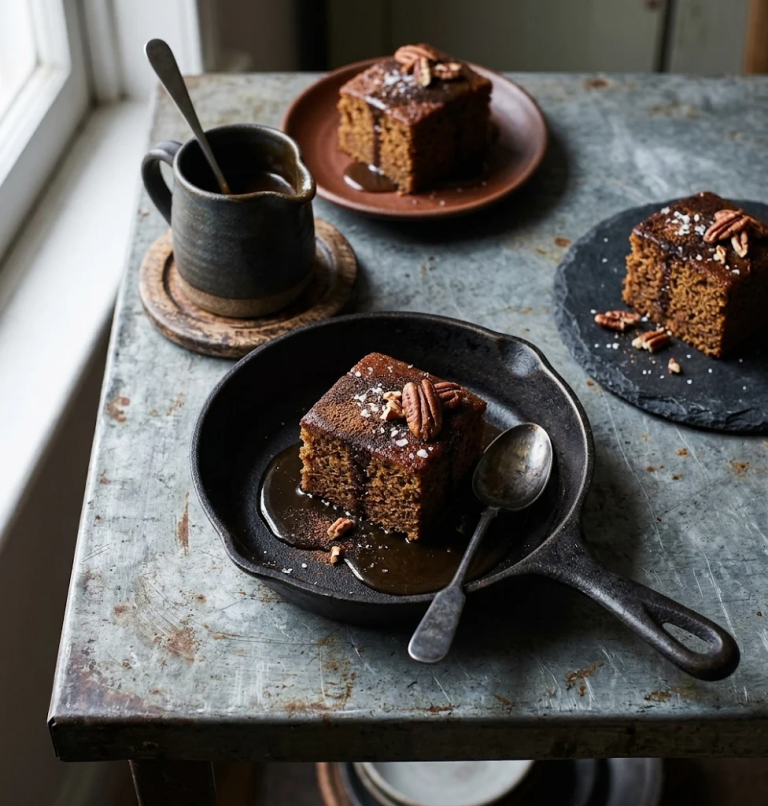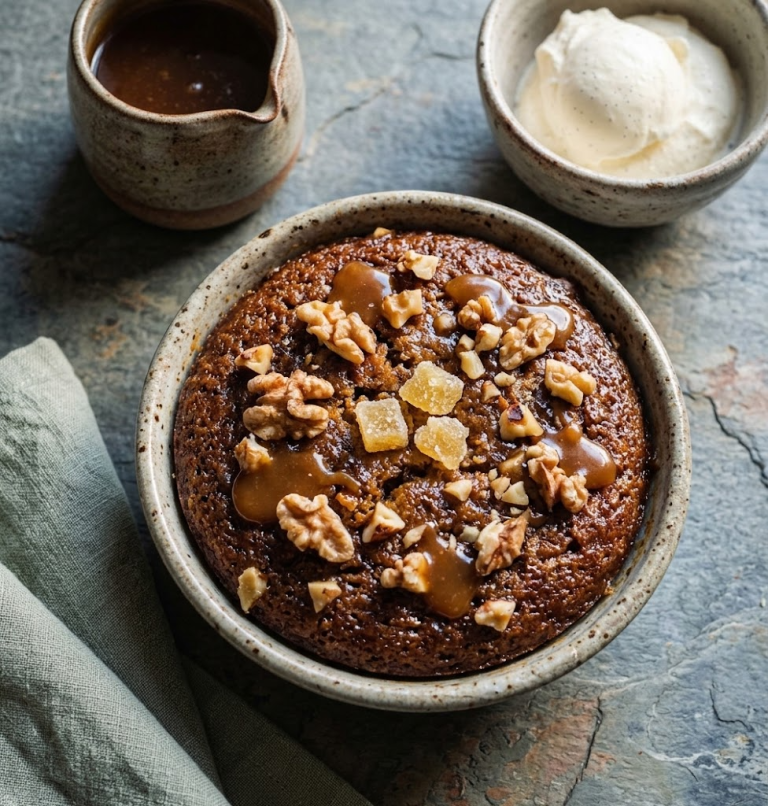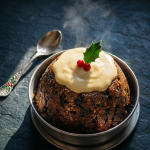

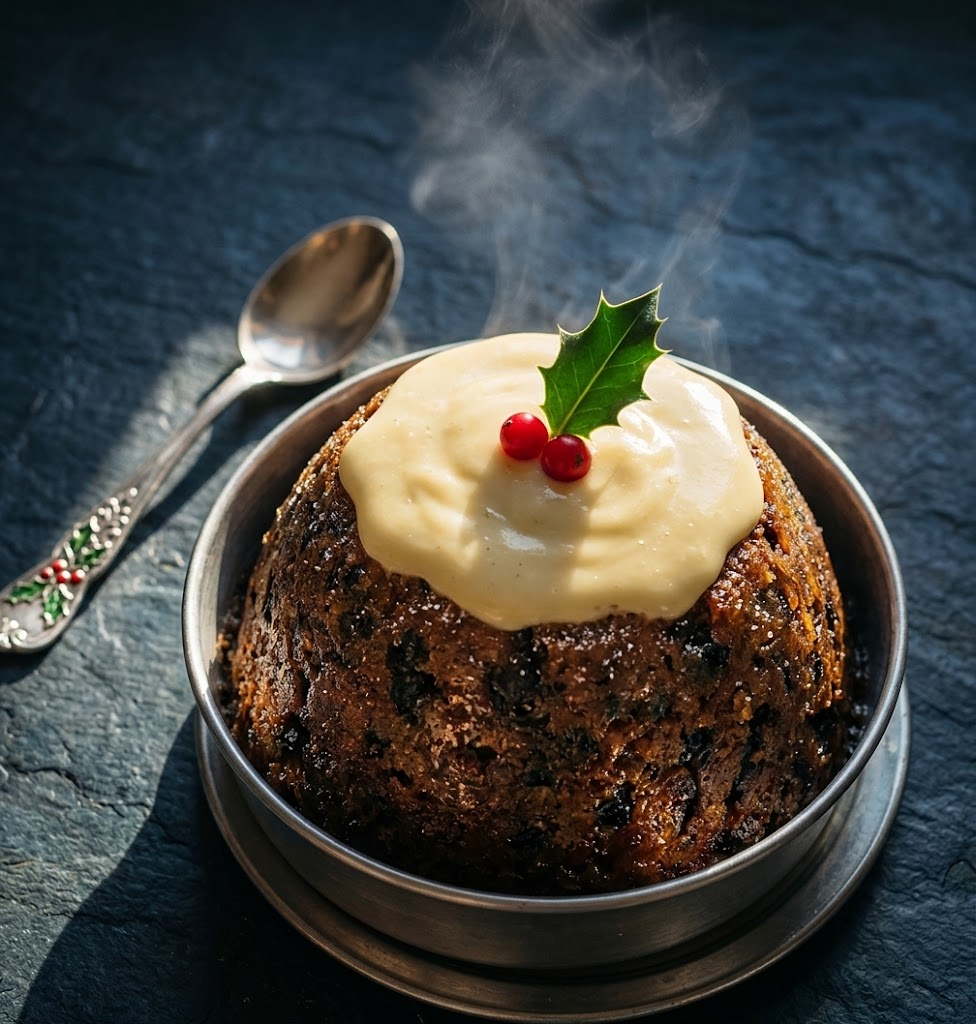
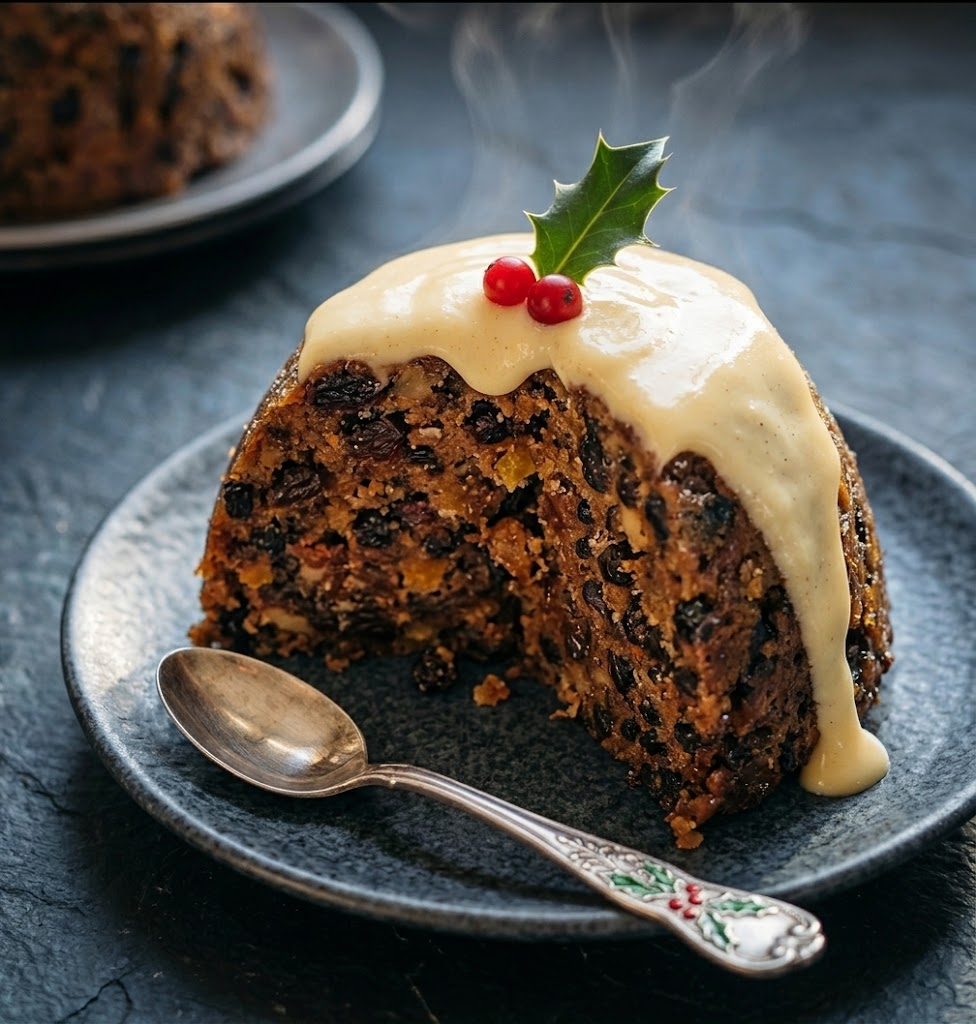
This James Martin-inspired Christmas cake is a rich, dark fruit cake with a tender crumb, packed with plump dried fruit, warm spice, and a deep molasses note. It’s the kind of cake that slices cleanly, keeps beautifully, and tastes even better after a little resting and feeding. The method is straightforward but does take time, mainly for slow baking and cooling. Total time is about 4 hours (plus optional overnight soaking and maturing time).
Ingredients
For the soaked fruit (recommended)
- 800g mixed dried fruit
- 150g glacé cherries, halved
- 100g mixed peel
- Zest of 1 orange
- Zest of 1 lemon
- 150ml brandy (or dark rum)
For the cake batter
- 250g unsalted butter, softened
- 250g dark muscovado sugar
- 3 tbsp black treacle
- 5 large eggs
- 300g plain flour
- 1 tsp baking powder
- 75g ground almonds
- 2 tsp mixed spice
- 1 tsp ground cinnamon
- 1/4 tsp freshly grated nutmeg
- 1/2 tsp fine salt
- 50g blanched almonds or chopped walnuts (optional)
For feeding (optional)
- 2 to 3 tbsp brandy per feeding
For decorating (optional)
- 3 to 4 tbsp apricot jam, warmed and sieved
- 500g marzipan
- 500g ready-to-roll white icing (or royal icing)
How to Make James Martin Christmas Cake
Soak the fruit (best texture)
- Combine and soak: Tip the mixed dried fruit, glacé cherries, mixed peel, orange zest, lemon zest, and brandy into a large bowl. Stir well, cover, and leave overnight at room temperature (or for at least 2 hours) so the fruit plumps up.
Prepare the oven and tin
- Prepare the oven: Preheat the oven to 140°C or 120°C fan. Place a shelf in the middle of the oven so the cake bakes evenly.
- Line the tin: Grease a deep 20cm round cake tin. Line the base and sides with a double layer of baking parchment, letting it come a little higher than the tin. Wrap the outside with a double layer of brown paper and tie with string (this protects the edges during the long bake).
Mix the cake batter
- Cream butter and sugar: Beat the butter and dark muscovado sugar together until creamy and well combined. Beat in the black treacle.
- Add the eggs: Beat in the eggs one at a time. If the mixture looks like it’s starting to curdle, add a spoonful of the flour and keep mixing.
- Fold in dry ingredients: Add the flour, baking powder, ground almonds, mixed spice, cinnamon, nutmeg, and salt. Fold gently until you no longer see streaks of flour.
- Stir in the fruit: Add all the soaked fruit (including any liquid in the bowl). Stir until evenly distributed. If using nuts, fold them in now.
- Fill the tin: Spoon the mixture into the prepared tin and level the top. If you like, make a shallow dip in the centre (it encourages a flatter top).
Bake low and slow
- Bake: Bake for 2 1/2 to 3 hours. Start checking at 2 1/2 hours. The cake is done when a skewer inserted into the centre comes out clean or with just a few moist crumbs (no wet batter).
- Protect the top if needed: If the top is browning too quickly, lay a sheet of foil loosely over the cake for the remaining baking time.
Cool properly (this matters)
- Cool in the tin: Leave the cake in the tin for 30 minutes so it settles and firms up.
- Cool completely: Lift out using the paper and transfer to a wire rack. Cool completely before wrapping or decorating.
Mature and assemble (optional but traditional)
- Feed the cake: Once cool, wrap the cake in baking parchment, then foil. For a classic Christmas cake, feed it weekly by unwrapping, brushing or spooning over 2 to 3 tablespoons of brandy, then re-wrapping tightly.
- Decorate with marzipan and icing: Warm and sieve the apricot jam. Brush a thin layer over the cake. Roll out the marzipan and cover the cake, smoothing the top and sides. Leave for 24 hours to dry, then cover with ready-to-roll icing (or use royal icing if you prefer).
Tips
Why did my Christmas cake crack on top?
Cracks usually come from an oven that’s a little hot or a cake sitting too high in the oven. Bake on the middle shelf, stick to 140°C (120°C fan), and use the brown paper wrap to buffer the edges and slow the bake.
How do I stop the cake drying out?
Soak the fruit, line the tin with a double layer of parchment, and bake low and slow. Once cooled, wrap well (parchment then foil) and keep it airtight. Feeding with a little brandy also helps retain moisture.
How can I stop the fruit sinking?
Chop big cherries, mix the fruit through thoroughly, and make sure the batter is thick enough. If your fruit mix is very wet, drain off a little liquid before stirring it in, or add 1 to 2 tablespoons extra flour.
What’s the easiest way to get a neat, flat top for icing?
Before baking, make a shallow dip in the centre of the batter. It encourages the cake to rise more evenly. If you still get a dome, you can level it carefully with a serrated knife once fully cool.
Serving Suggestions
- Slice thinly and serve with a cup of tea or coffee.
- Add a slice to a Christmas cheese board, especially with cheddar or stilton.
- Serve with a spoon of brandy butter or clotted cream.
- Pair with poached pears or stewed plums for a dessert-style plate.
Storage
Room temperature
Store the undecorated cake wrapped in baking parchment and foil in an airtight tin for up to 2 months. If feeding, re-wrap tightly after each feed.
Refrigerator
Refrigeration isn’t usually necessary and can dry the cake out. If your kitchen is very warm or the cake is topped with perishable decorations, refrigerate in an airtight container for up to 1 week, then bring to room temperature before serving for the best texture.
Freezing
Freeze the un-iced cake for up to 3 months. Wrap in parchment, then a double layer of foil, and place in a freezer bag. Thaw overnight at room temperature (still wrapped), then unwrap and refresh the surface before decorating.
Nutrition
- Calories: 450 kcal
- Carbohydrates: 68 g
- Protein: 6 g
- Fat: 16 g
- Saturated Fat: 8 g
- Sodium: 160 mg
Disclaimer: Nutrition values are estimates and will vary depending on ingredients, alcohol absorption, and portion size.
FAQs
When should I bake a Christmas cake for the best flavour?
Ideally, bake it 4–8 weeks before Christmas. That gives you time to wrap it well and feed it weekly (if using alcohol), which improves both flavour and texture.
How often should I feed a Christmas cake with brandy?
Feed it about once a week with 2–3 tablespoons of brandy. Always re-wrap it tightly in parchment and foil afterwards so it stays moist.
Can I make this James Martin Christmas cake alcohol-free?
Yes. Replace the brandy with orange juice, apple juice, or strong black tea for soaking. Skip feeding, and focus on careful wrapping and airtight storage to keep the cake moist.
Do I have to use marzipan and icing?
No. The cake is delicious plain. If you prefer, you can simply brush with a little warmed apricot jam for shine, or dust slices lightly with icing sugar just before serving.
Why is my Christmas cake greasy or heavy?
This usually happens if the oven runs hot, the cake is underbaked, or the mixture was overmixed after adding flour. Bake low and slow, test with a skewer, and fold gently once the flour goes in.
James Martin Christmas Cake
Course: DessertCuisine: BritishDifficulty: Medium14
slices30
minutes3
hours240
minutes450
kcal3
hours30
minutesA rich, moist British Christmas cake packed with soaked dried fruit, warming spices, and a deep treacle note. Slow-baked for a tender crumb and perfect for making ahead, feeding, and decorating with marzipan and icing.
Ingredients
- For the soaked fruit (recommended)
800g mixed dried fruit
150g glacé cherries, halved
100g mixed peel
Zest of 1 orange
Zest of 1 lemon
150ml brandy (or dark rum)
- For the cake batter
250g unsalted butter, softened
250g dark muscovado sugar
3 tbsp black treacle
5 large eggs
300g plain flour
1 tsp baking powder
75g ground almonds
2 tsp mixed spice
1 tsp ground cinnamon
1/4 tsp freshly grated nutmeg
1/2 tsp fine salt
50g blanched almonds or chopped walnuts (optional)
- For feeding (optional)
2–3 tbsp brandy, per feeding
- For decorating (optional)
3–4 tbsp apricot jam, warmed and sieved
500g marzipan
500g ready-to-roll white icing (or royal icing)
Directions
- Mix dried fruit, cherries, peel, citrus zest and brandy. Cover and soak overnight (or at least 2 hours).
- Heat oven to 140°C (120°C fan). Grease and line a deep 20cm round tin with a double layer of baking parchment. Wrap the outside with a double layer of brown paper.
- Beat butter and sugar until creamy. Beat in treacle.
- Add eggs one at a time, mixing well and adding a spoonful of flour if it looks like it may curdle.
- Fold in flour, baking powder, ground almonds, spices, and salt.
- Stir in the soaked fruit (and any liquid) plus nuts if using. Spoon into the tin and level the top.
- Bake 2 1/2 to 3 hours until a skewer comes out clean. If browning too quickly, cover loosely with foil.
- Cool in the tin for 30 minutes, then lift out and cool completely on a wire rack.
- To mature: wrap in parchment then foil. Feed weekly with 2–3 tbsp brandy for 3–6 weeks.
- To decorate: brush with apricot jam, cover with marzipan, rest 24 hours, then cover with icing.
Notes
- Soaking the fruit improves texture and stops the cake drying out.
- Line the tin well and bake low and slow for an even, moist crumb.
- Wrap and store airtight between feedings to prevent the cake drying.